
If you’ve got gout, the seafood conversation usually goes one of two ways. Either someone tells you to cut it all out, or you spend hours trying to figure out which fish is safe and which isn’t.
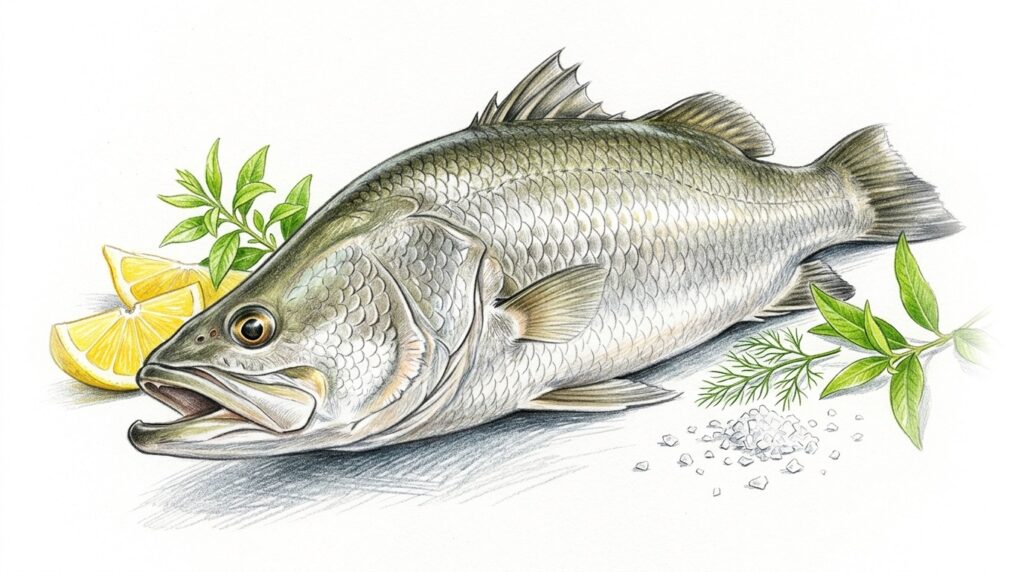
Here’s the short answer on barramundi and gout: it’s a solid choice.
Barramundi sits in the low-risk category for gout. The purines in barramundi are well below the threshold that causes problems for most people. And for Australians, it’s one of the most accessible, versatile fish you can put on your plate.
Let’s break down why it works, how much you should eat, and where it fits alongside other fish.
Why Barramundi Is Low-Risk for Gout
Not all seafood is created equal when it comes to purines.
The fish that cause the most trouble for gout are the oily, high-purine varieties: sardines, anchovies, mackerel, herring. These can pack over 200mg of purines per 100g serve. That’s the danger zone.
Barramundi is a white-fleshed fish. White fish generally contain significantly fewer purines than oily fish.
Barramundi sits in the moderate range for total purine content, but the type of purines matter too. Not all purines convert to uric acid at the same rate, and the purines in white fish tend to be less problematic than those in organ meats or shellfish.
The practical result? Barramundi is unlikely to trigger a gout flare-up when eaten in reasonable portions.
It also brings real nutritional benefits. High-quality protein, omega-3 fatty acids, selenium, and potassium. These all support the kind of overall health that helps you manage gout long-term.
How Much Barramundi Can You Eat?
Portion control matters. Even low-risk foods can become a problem if you eat enormous quantities.
The smart portion
Stick to 100-120g of cooked barramundi per serve. That’s roughly the size of your palm. Enough to be a satisfying centrepiece of a meal without overloading on purines.
How often?
Two to three serves of fish per week is the general recommendation for people managing gout, and barramundi can be one of those serves comfortably.
Don’t double up
If you’re having barramundi for dinner, don’t also have prawns for lunch. Keep your total purine intake from animal sources spread across the day and the week.
How to Cook It Without Making Things Worse
The fish itself is fine. It’s what you do to it that can create problems.
Best cooking methods:
- Grilling on the barbie with a squeeze of lemon
- Baking in the oven with herbs and olive oil
- Steaming with ginger, garlic, and a splash of soy
- Pan-searing in a light coat of olive oil
What to avoid:
- Deep frying in batter (adds inflammatory fats and empty calories)
- Heavy cream-based sauces (unnecessary calories and saturated fat)
- Beer batter (you already know why)
Keep it simple. Barramundi has a mild, buttery flavour that doesn’t need much. A bit of seasoning, a decent cooking method, and you’ve got a meal that tastes great and doesn’t punish your joints.
How Other Fish Stack Up
Not sure where your favourite fish sits? Here’s a practical breakdown.
Low-risk fish (good choices for gout):
- Barramundi
- Flathead
- Snapper
- Whiting
- Cod
- Sole
Moderate-risk fish (eat less frequently):
- Salmon
- Tuna
- Trout
- Bream
High-risk seafood (limit or avoid):
- Sardines
- Anchovies
- Herring
- Mackerel
- Mussels
- Scallops
- Prawns
The pattern is straightforward. White fish are generally safer than oily fish, and shellfish tend to be the highest risk of all.
If you’re at a fish and chip shop, ordering grilled barra or flathead instead of battered prawns is a meaningful choice for your gout.
Other Low-Risk Proteins to Rotate In
Fish shouldn’t be the only protein in your week. Variety helps you manage overall purine intake while still eating well.
Good protein options for gout:
- Chicken breast (skinless, grilled or baked)
- Eggs
- Tofu and tempeh
- Low-fat dairy (milk, yoghurt, cheese)
- Legumes in moderate portions (lentils, chickpeas)
Rotate these through your week alongside your barramundi and other low-risk fish. You’ll keep your meals interesting and your purine intake manageable.
The Bigger Picture
Fish is one part of the equation. Managing gout properly means looking at the whole picture: hydration, weight, alcohol, and consistent support for healthy uric acid levels.
Stay hydrated
Aim for 2-3 litres of water a day. Especially important in Australia’s heat. Dehydration concentrates uric acid and is one of the fastest routes to a flare-up.
Watch the alcohol
A cold beer with your barra on a Friday night might be tempting. If gout is an issue, consider switching to a glass of wine or cutting back altogether. Beer is the worst alcoholic drink for gout by a significant margin.
Consider supplementation
I created URICAH to give people a natural, transparent option for supporting healthy uric acid levels. It contains 14 clearly labelled ingredients at proper dosages, including tart cherry, celery seed, and green coffee bean extract. No proprietary blends. 90-day money-back guarantee. Free shipping across Australia.
Learn more about natural gout support strategies
The Bottom Line
Barramundi is one of the best fish choices you can make if you’ve got gout.
It’s low-risk, widely available in Australia, easy to cook, and nutritionally solid. Stick to 100-120g portions, keep the cooking method clean, and you’ve got a meal that supports your gout management instead of working against it.
You don’t need to cut fish out of your life. You just need to pick the right ones.
This article is for informational purposes only and is not intended as medical advice. Consult your healthcare provider before making changes to your health routine.

URICAH! Uric Acid Support
4.85 / 5
read 2,290 customer reviews
$39 AUDTHIS IS YOUR URICAH MOMENT
Our 14 potent, natural ingredients support the body in lowering uric acid levels, alleviating the excruciating pain and discomfort caused by gout.
URICAH™ features powerful ingredients used over thousands of years to fight gout such as Tart Cherry, Celery Seed and Chanca Piedra.
Get back on your feet and live pain free with URICAH™.
LEARN MORE