
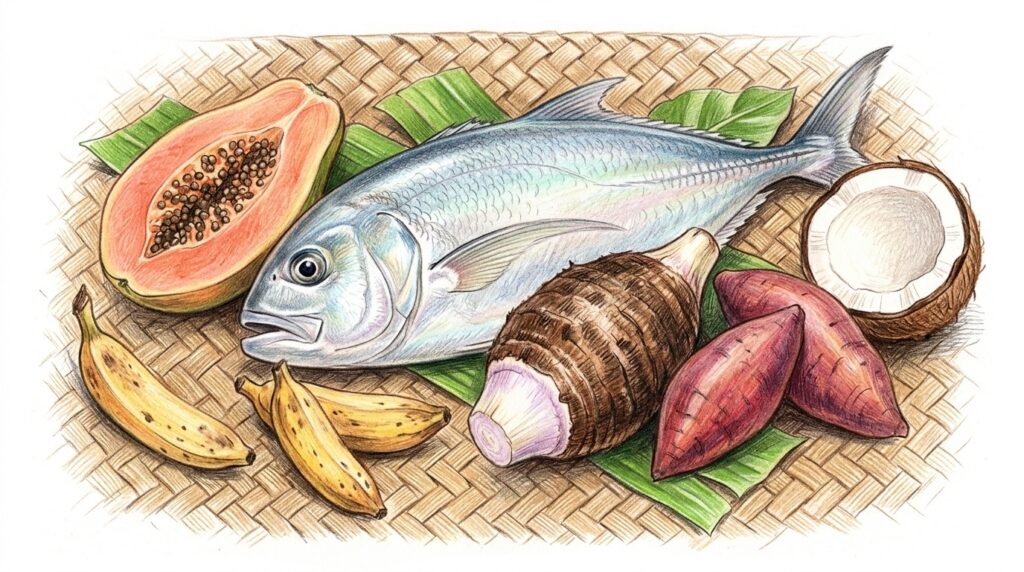
Your ethnic background plays a significant role in your risk of developing gout.
If you’re Pacific Islander, Aboriginal, or Torres Strait Islander, your chances are substantially higher than the general population.
Not because of anything you’ve done wrong, but because of genetic variations that affect how your body handles uric acid.
Understanding gout and ethnicity is about knowing where you stand so you can make better decisions.
The Genetics Behind Ethnic Risk
Gout risk isn’t evenly distributed across populations.
Different ethnic groups carry different genetic variants that influence uric acid metabolism.
These genetic differences affect two key processes:
- How much uric acid your body produces
- How efficiently your kidneys excrete it
Some populations carry variants that make the kidneys less efficient at clearing uric acid, creating a higher baseline level even before diet, weight, or lifestyle enter the picture.
Multiple genes are involved, and they interact with each other and with environmental factors.
The net result is measurable: some ethnic groups consistently show higher uric acid levels and higher gout rates.
Pacific Islander Communities
Pacific Islander populations have some of the highest gout rates in the world.
In Australia, Pacific Islanders experience gout at rates three to four times higher than European Australians.
The onset also tends to be younger, with many Pacific Islanders developing gout in their 20s and 30s rather than the more typical 40s and 50s seen in European populations.
Age is a significant factor in how gout presents across all populations.
This is well-established knowledge.
Gout has been documented in Pacific Islander communities for generations, long before Western diets became common.
Several factors compound the genetic risk:
The migration effect.
When Pacific Islander communities migrate to Australia, gout rates often increase further.
The shift from traditional diets to Western processed foods, combined with changes in physical activity levels and increased exposure to alcohol, activates genetic predispositions that might have remained manageable under traditional living conditions.
Cultural food practices.
Food is central to Pacific Islander culture.
Feasting, sharing, and hospitality often involve large quantities of meat, seafood, and rich foods.
These cultural practices are important and meaningful, but they can create dietary patterns that push already-elevated uric acid levels higher.
Younger onset, longer impact.
Getting gout in your 20s means decades of potential joint damage if it’s not managed early.
The long-term consequences of poorly managed gout in young Pacific Islanders can be severe, including chronic tophi, joint deformities, and significant disability.
Aboriginal and Torres Strait Islander Communities
Aboriginal and Torres Strait Islander Australians face elevated gout rates driven by a combination of genetic, dietary, and socioeconomic factors.
Genetic factors.
Like Pacific Islander populations, Indigenous Australians carry genetic variants that affect uric acid metabolism.
These make the body less efficient at excreting uric acid, creating higher baseline risk regardless of lifestyle choices.
Dietary disruption.
Traditional Indigenous diets, based on bush foods, lean game, fish, and native plants, were naturally lower in the purines and sugars that drive gout.
The shift from traditional food sources to Western processed foods has had profound health consequences.
Processed meats, sugar-sweetened beverages, white bread, and fast food have replaced foods that Indigenous communities ate for tens of thousands of years.
This dietary disruption is directly linked to rising rates of gout, diabetes, and other metabolic conditions.
Socioeconomic factors.
Higher rates of poverty, reduced access to healthcare, and geographical remoteness mean that gout in Indigenous communities is more likely to go undiagnosed and poorly managed.
Comorbidities.
Higher rates of diabetes, kidney disease, and cardiovascular disease in Indigenous populations all contribute to elevated uric acid levels.
These conditions compound each other.
Addressing gout in Aboriginal and Torres Strait Islander communities requires culturally appropriate approaches.
Regional Variations Across Australia
Gout prevalence varies significantly across different regions of Australia, partly reflecting the ethnic composition of different areas.
Northern Australia, Western Sydney, South-East Queensland, and other areas with large Pacific Islander and Indigenous populations tend to have higher gout rates.
Remote and rural communities often have less access to both diagnosis and management support.
Genetic Predisposition Is a Starting Point
Your ethnic background may mean you start with a higher baseline risk.
That’s real, and pretending otherwise doesn’t help anyone.
Genetics set the starting point.
Your dietary choices, hydration habits, weight, alcohol intake, and overall lifestyle all influence whether genetic susceptibility actually becomes active gout.
The practical takeaway:
- Know your risk. If gout runs in your family or you belong to a higher-risk ethnic group, get your uric acid levels tested. Don’t wait for the first attack.
- Start management early. The earlier you address elevated uric acid, the less cumulative damage it causes.
- Make informed food choices. Small adjustments, like reducing portion sizes of high-purine foods, adding more vegetables, and cutting back on sugary drinks, make a meaningful difference.
- Stay hydrated. Especially in the Australian climate. Water is your most effective daily tool for supporting uric acid excretion.
Supporting Your Body Naturally
I created URICAH to provide natural support for healthy uric acid levels.
It contains 14 clearly labelled ingredients with transparent dosages and no proprietary blends.
Over 2,200 customers have reviewed it, and it comes with a 90-day money-back guarantee with free shipping across Australia.
For people with a genetic predisposition to elevated uric acid, consistent daily support can make a real difference in managing levels before they become a problem.
Whatever your background, the approach is the same: understand your risk, take it seriously, and act early.
This article is for informational purposes only and is not intended as medical advice. Consult your healthcare provider before making changes to your health routine.

URICAH! Uric Acid Support
4.8 / 5
read 2,446 customer reviews
$39 AUDTHIS IS YOUR URICAH MOMENT
Our 14 potent, natural ingredients support the body in lowering uric acid levels, alleviating the excruciating pain and discomfort caused by gout.
URICAH™ features powerful ingredients used over thousands of years to fight gout such as Tart Cherry, Celery Seed and Chanca Piedra.
Get back on your feet and live pain free with URICAH™.
LEARN MORE