
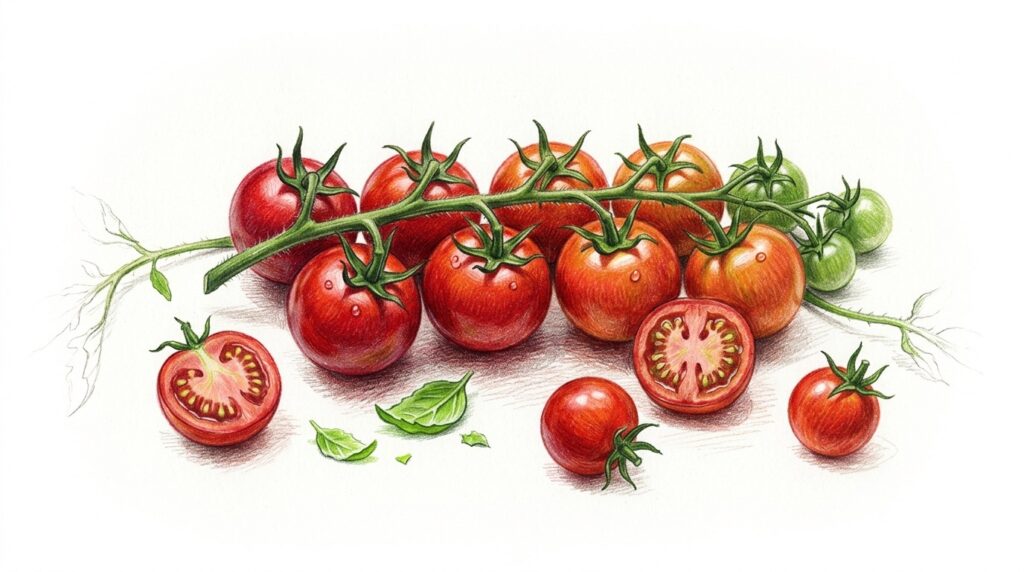
Tomatoes and gout. This question comes up constantly.
You’ve probably seen it in a forum, heard it from a mate, or read it somewhere online: “tomatoes trigger gout.” It sounds convincing because enough people repeat it.
But when you look at the actual evidence, the picture is very different from what you’d expect.
Let’s address this head-on.
What the Evidence Actually Shows
Tomatoes are very low in purines. We’re talking well under 20mg per 100g.
For context, organ meats can contain over 400mg per 100g, and sardines are over 200mg. Tomatoes aren’t even in the same postcode.
From a purine perspective alone, there’s no reason to avoid tomatoes.
However, a study from the University of Otago in New Zealand did find a mild association between tomato consumption and slightly higher serum uric acid levels. This study surveyed people with gout and found that a meaningful percentage listed tomatoes as a self-reported trigger food.
Here’s the important nuance.
The researchers noted that while the association was statistically significant, the actual increase in uric acid was small. Very small. And the study design, based on self-reporting and observational data, couldn’t prove that tomatoes actually caused the increase.
There are several possible explanations beyond purines:
- Tomatoes contain glutamate, which may influence uric acid metabolism in some individuals
- The association could be driven by what people eat with tomatoes (pizza, pasta with meat sauces, burgers)
- Self-reporting is unreliable because people often attribute flare-ups to whatever they ate most recently, not what actually caused the problem
The bottom line on the science: the evidence is not strong enough to classify tomatoes as a gout trigger for most people.
Why Tomatoes Are Actually Good for Gout
Instead of focusing on a weak, unproven link, look at what tomatoes actually deliver.
Vitamin C
Tomatoes are a good source of vitamin C, one of the most well-researched nutrients for lowering uric acid. Vitamin C helps your kidneys excrete uric acid more efficiently. Eating foods rich in vitamin C is a proven strategy for managing uric acid levels.
Lycopene
Tomatoes are the richest common food source of lycopene, a powerful antioxidant. Lycopene has anti-inflammatory properties, which is directly relevant to gout. Gout pain is driven by inflammation, and anything that moderates that inflammatory response helps.
Hydration
Tomatoes are roughly 95% water. Staying hydrated is one of the most important things you can do for gout, and foods with high water content contribute meaningfully to your daily fluid intake.
Low calories
If you’re managing your weight as part of your gout strategy, and you should be, tomatoes are your friend. Low in calories, high in nutrients, and filling.
Addressing the Confusion Directly
If you’ve had a gout flare-up after eating tomatoes, I’m not going to tell you it didn’t happen. Your experience is real.
But before you cut tomatoes out of your diet permanently, consider a few things.
What else did you eat or drink that day?
A pizza with tomato sauce also has cheese, processed meat, and probably a few beers on the side. Was it the tomato, or was it everything else?
Were you properly hydrated?
Dehydration is one of the fastest triggers for a gout flare-up. If you were dehydrated and happened to eat tomatoes, the tomatoes are likely getting blamed for something dehydration caused.
Has it happened more than once?
A single instance doesn’t establish a pattern. If tomatoes consistently trigger flare-ups for you specifically, that’s worth noting. But one bad night doesn’t mean tomatoes are your enemy.
Keep a food diary
This is the most practical advice I can give. Track what you eat, how much water you drink, your alcohol intake, and when flare-ups occur. After a few weeks, you’ll start to see real patterns rather than guessing based on gut feeling.
How to Include Tomatoes in a Gout-Friendly Diet
Assuming you’re not one of the rare individuals who has a genuine, documented sensitivity to tomatoes, here’s how to include them.
Fresh is best
Raw tomatoes in salads, sliced on sandwiches, or diced in a salsa. Fresh tomatoes have no added salt, no added sugar, and the highest water content.
Cooked is fine too
Roasted cherry tomatoes, tomato-based soups, and simple pasta sauces made from fresh tomatoes with olive oil and herbs. Cooking actually increases the bioavailability of lycopene, so there’s a benefit to cooked tomatoes.
Watch the processed versions
Tinned tomatoes are generally fine, but check the label for added salt. Tomato sauce (ketchup) and some pasta sauces can be loaded with sugar and sodium. Commercial tomato juice often contains significant added salt.
Read the labels and choose options without extras.
Don’t overthink it
A few tomatoes in your salad, some roasted cherry tomatoes with your dinner, a homemade tomato sauce on your pasta. These are all perfectly reasonable for someone managing gout.
What Actually Triggers Gout
If you’re spending energy worrying about tomatoes, redirect that energy to the things that are proven to drive uric acid levels up:
- Beer and spirits in excess
- Organ meats (liver, kidney, sweetbreads)
- Shellfish (prawns, mussels, scallops)
- Oily fish in large portions (sardines, anchovies, mackerel)
- Sugary drinks and foods high in fructose
- Dehydration, especially in the Australian heat
- Excess body weight
See the full list of high-purine foods to limit
These are the heavy hitters. Tomatoes aren’t on this list for good reason.
Support Your Gout Management Properly
Diet is one part of the picture. Consistent daily support for healthy uric acid levels makes a real difference.
I created URICAH to give people a transparent, natural option. It contains 14 clearly labelled ingredients, including vitamin C, tart cherry extract, and celery seed extract, all at proper dosages. No proprietary blends. 90-day money-back guarantee. Free shipping across Australia.
Learn about natural approaches to managing gout
The Bottom Line
Tomatoes are very low in purines and are unlikely to trigger gout for most people.
There’s a mild, unproven association in one study, but the evidence isn’t strong enough to justify cutting them out. The vitamin C, lycopene, hydration, and anti-inflammatory benefits of tomatoes make them a net positive for gout management.
If you think tomatoes affect you personally, keep a food diary and look for real patterns. Don’t make dietary decisions based on forum posts and old wives’ tales.
For most people with gout, tomatoes are safe, beneficial, and worth keeping on the plate.
This article is for informational purposes only and is not intended as medical advice. Consult your healthcare provider before making changes to your health routine.

URICAH! Uric Acid Support
4.8 / 5
read 2,398 customer reviews
$39 AUDTHIS IS YOUR URICAH MOMENT
Our 14 potent, natural ingredients support the body in lowering uric acid levels, alleviating the excruciating pain and discomfort caused by gout.
URICAH™ features powerful ingredients used over thousands of years to fight gout such as Tart Cherry, Celery Seed and Chanca Piedra.
Get back on your feet and live pain free with URICAH™.
LEARN MORE