
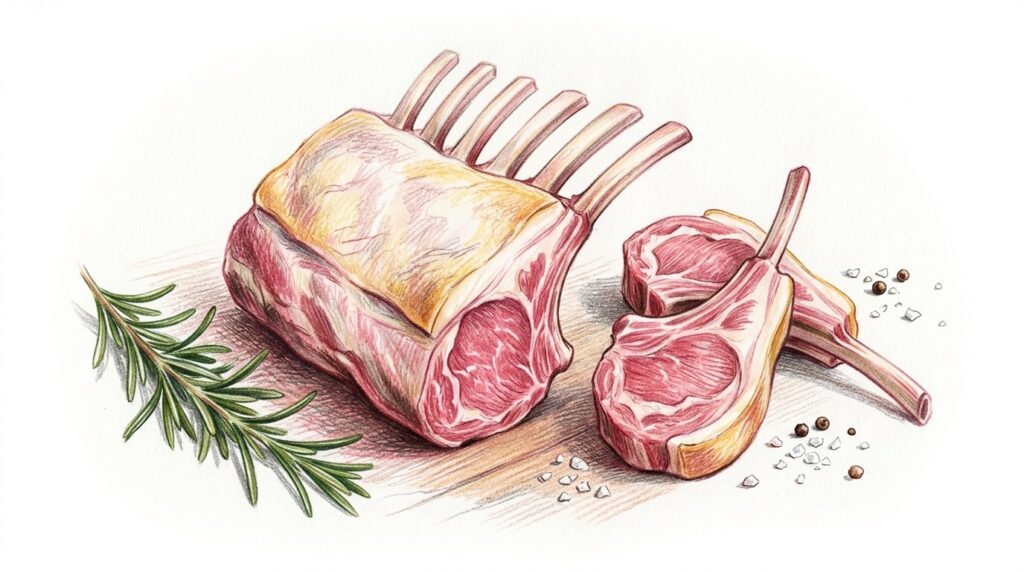
Lamb and gout. It’s a fair question, especially in Australia where lamb cutlets on the barbie are practically a weekend ritual.
The answer isn’t a simple yes or no.
Lamb is moderately high in purines, sitting around 100-150mg per 100g depending on the cut. That means it can contribute to elevated uric acid levels if you’re eating too much, too often, or choosing the wrong cuts.
But you don’t need to cross lamb off the menu. You need to be smarter about it.
Why Lamb Triggers Gout Flares
All red meat contains purines.
When your body breaks down purines during digestion, it produces uric acid. Too much uric acid and your kidneys can’t clear it fast enough, which leads to crystal formation in the joints. That’s what causes a gout flare.
Lamb sits in the moderate-to-high range on the purine scale. It’s higher in purines than chicken or fish, but lower than organ meats like liver or kidney.
The problem isn’t lamb itself. It’s the cut, the portion size, and how often you’re eating it.
Lamb Cuts Ranked by Purine Risk
Not all lamb is equal when it comes to gout risk. Here’s how the common cuts stack up.
Lower risk: lean leg cuts
Trimmed lamb leg steak
Your best option. Lamb leg is naturally leaner, and once you trim the visible fat, it sits at the lower end of the lamb purine range, around 100-110mg per 100g. Great for a quick midweek meal on the grill.
Butterflied leg of lamb
A barbecue classic. Large, lean, easy to trim. You can throw it on the barbie for the whole family and control your own portion easily.
Moderate risk: chops and rack
Lamb loin chops
Leaner than shoulder chops and a decent everyday option. One or two chops per serving, fat trimmed.
Rack of lamb
Save it for a special occasion. The fat between the ribs pushes the purine load higher. Keep the portion modest when you do have it.
Higher risk: fattier cuts
Lamb shoulder
Slow-roasted lamb shoulder is an Aussie favourite, but it’s one of the fattier cuts. More fat means a higher purine load. If you’re doing a shoulder roast, keep your serving small and fill your plate with sides.
Lamb shanks
Delicious braised, but fattier and the braising liquid concentrates purines. Go easy on the sauce. One shank is enough.
Lamb neck chops
The fattiest common cut. If your gout is active or your uric acid is running high, this is the one to skip.
Lamb vs Beef: Which Is Worse for Gout?
They’re close. Both sit in the moderate purine range, roughly 100-150mg per 100g for lean cuts. Neither is dramatically worse than the other.
The practical difference is fat distribution. Lamb carries more external fat that’s easy to trim off. Beef marbling runs through the meat and you can’t remove it.
That actually gives lamb a slight edge if you’re disciplined about trimming.
Rotating between lean lamb and lean beef through the week is a sensible strategy. Just don’t stack them on the same day.
How Much Lamb Can You Eat with Gout?
Portion size
About 100g of cooked lamb per serving. Palm-sized. A typical lamb cutlet is around 80-100g of meat, so one or two cutlets is your limit per meal.
Frequency
Once or twice a week is fine for most people with gout. But that sits within your total red meat budget of 2-3 servings per week. If you’re having lamb twice, ease off the beef.
The weekend barbie rule
Lamb on the barbie is still on. Just keep your portion sensible, skip the fatty sausages alongside it, and balance the plate with salad or grilled vegetables.
A couple of lean cutlets with a big salad is a great summer meal that won’t cause problems.
Preparation Tips to Reduce Gout Risk
Trim the fat
The single most important thing you can do. Cut off all visible fat before cooking. It reduces the purine load and makes the lamb easier for your body to process.
Grill or roast
Dry heat cooking methods like grilling and roasting may help reduce purine content slightly. Perfect, because that’s exactly how Australians prefer their lamb anyway.
Go easy on the gravy
Braising liquids and pan drippings concentrate purines. If you’re making a slow-cooked lamb dish, use a lighter sauce or make gravy from vegetable stock instead.
Build the plate around vegetables
Lamb should take up about a quarter of the plate. The rest should be salad, grilled veges, or roasted sides. The fibre and nutrients actively support your body’s ability to clear uric acid.
When to Skip the Lamb
If you’ve had a recent gout flare or your uric acid levels are elevated, pull back on lamb and all red meat for a couple of weeks.
Switch to chicken breast, white fish like barramundi or flathead, eggs, or tofu. Let your body recover, then bring lamb back in small, lean portions.
This isn’t about giving up lamb forever. It’s about knowing when to ease off and when you can enjoy it.
The Bottom Line
Lamb isn’t off limits with gout.
It’s a moderately high-purine meat that fits into a gout-friendly diet when you choose lean cuts, trim the fat, keep portions at around 100g, and don’t overdo the frequency.
Those lamb cutlets on the barbie? Still fine. Just don’t make it a daily habit.
If you want to support your body beyond diet alone, I created URICAH with 14 natural ingredients at transparent dosages to help support healthy uric acid levels. No proprietary blends. Over 2,200 customer reviews. Free shipping across Australia, and a 90-day money-back guarantee.
This article is for informational purposes only and is not intended as medical advice. Consult your healthcare provider before making changes to your health routine.

URICAH! Uric Acid Support
4.8 / 5
read 2,446 customer reviews
$39 AUDTHIS IS YOUR URICAH MOMENT
Our 14 potent, natural ingredients support the body in lowering uric acid levels, alleviating the excruciating pain and discomfort caused by gout.
URICAH™ features powerful ingredients used over thousands of years to fight gout such as Tart Cherry, Celery Seed and Chanca Piedra.
Get back on your feet and live pain free with URICAH™.
LEARN MORE