
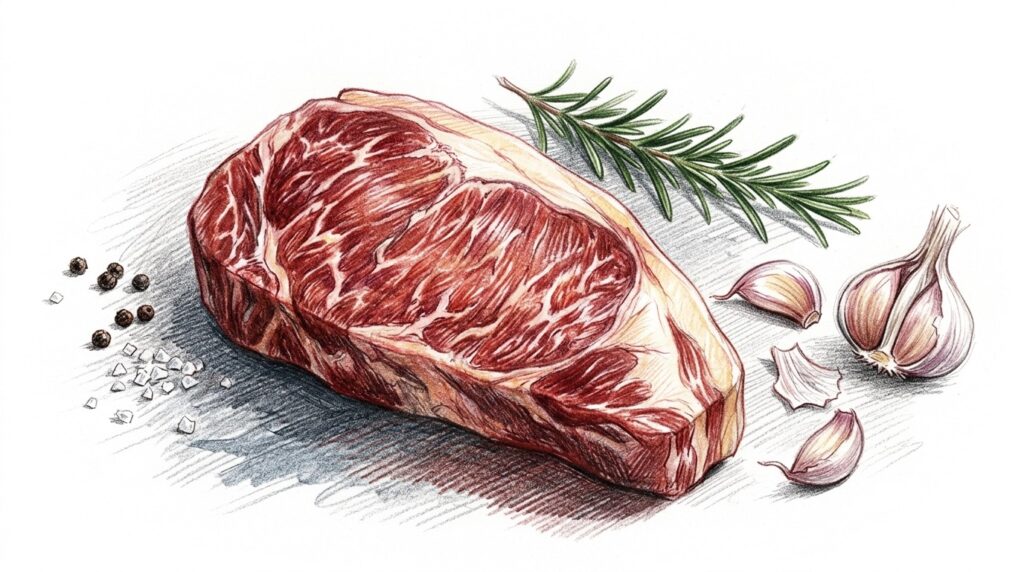
Beef and gout is one of the most common questions people ask when they start managing their uric acid levels.
The answer depends entirely on the cut.
You don’t need to give up beef. You need to understand which cuts are fine, which need moderation, and which are genuinely worth avoiding. The purine content varies dramatically. A lean eye fillet and a slab of beef liver are worlds apart.
Let’s break it down.
Why Beef Affects Gout
Beef contains purines. When your body digests beef, it breaks those purines down into uric acid. The more purines in the cut, the more uric acid your body produces.
But here’s the nuance most articles miss.
The purine content varies significantly between cuts. Lean muscle meat is moderate. Organ meats are extremely high. And fat content plays a role too, because higher-fat cuts tend to be harder for your body to process.
Low-Risk Beef Cuts
These are your safest options. They’re leaner, moderate in purines, and fine for regular meals in sensible portions.
Lean ground beef (small portions)
Go for the leanest mince you can find at Woolies or Coles. Use it in bolognese, meatballs, or stir-fries, but keep portions modest. About 100g of cooked mince per serving is a good target.
Trimmed sirloin
One of the best steak options for gout management. It’s lean, flavourful, and relatively moderate in purines when you trim the visible fat.
How to serve them
Pair with hydrating, plant-rich meals. A trimmed sirloin with a big salad, some roasted sweet potato, and a glass of water is a solid, balanced meal. The vegetables and water help your body process the purines more efficiently.
Moderate-Risk Beef Cuts
These are fine occasionally, but not every day. Keep portions controlled and pair them well.
Ribeye
Tasty, but the marbling means more fat. Save it for the occasional treat rather than a weekly staple.
T-bone
A decent option if you trim the fat. The issue is portion size, because a T-bone is usually well over 200g, so you’re getting a bigger purine load than you might realise.
Roast beef with fat
Sunday roast is an Aussie tradition. Just trim the fat, keep your portion reasonable, and load up on the roast veges alongside it.
How to serve them
Always pair with leafy greens or roasted vegetables. A side of broccoli, silverbeet, or a mixed salad makes a real difference. The fibre and nutrients help your body manage the purine load.
High-Risk Beef: Avoid or Seriously Limit
This is the category that actually matters. If you’re going to cut anything, cut these.
Beef liver
Extremely high in purines. One of the worst offenders in any food category. If you’re managing gout, liver should be off the menu.
Beef kidney
Same story as liver. Organ meats concentrate purines at levels far beyond regular muscle meat.
Corned beef
Processed, often high in sodium, and higher in purines than fresh cuts. The occasional corned beef sandwich won’t end you, but it shouldn’t be a regular feature.
The pattern is clear: organ meats and heavily processed beef products are the real problems. Regular muscle meat, trimmed and portioned well, is manageable.
Better Alternatives When You Want a Break
Some nights, swap the beef for something lighter. These options give you good protein with fewer purines:
- Skinless lean chicken. Breast or thigh, grilled or baked. One of the lowest-purine meat options.
- Pork tenderloin. Lean, versatile, and often cheaper than beef. Great on the barbie.
- White fish. Barramundi, snapper, flathead. Australia has some of the best fish in the world. Use it.
Rotating your proteins through the week is one of the simplest strategies for keeping your purine intake in check.
Practical Tips
Portion size
Palm-sized, roughly 100g cooked. That’s your target for any beef serving. If you’re used to bigger portions, this takes adjustment, but your uric acid levels will thank you.
Trim the fat
Cut visible fat off before cooking. This reduces both the purine load and the saturated fat content.
Cooking method
Grill, bake, or pan-sear with minimal oil. Avoid deep frying.
Frequency
Aim for 1-2 beef meals per week. Fill the other nights with chicken, fish, eggs, or plant-based proteins like beans and lentils.
Hydrate
Drink plenty of water with and between meals. Your kidneys need it to process uric acid efficiently.
The Bottom Line
Beef isn’t off the table.
But beef liver is.
And that 400g ribeye three nights a week needs to become a 100g trimmed sirloin once or twice a week.
Small changes. Big difference.
For more on how meat fits into a gout-friendly diet, read our broader guide on red meat and gout. If steak is your thing, we’ve also written a specific guide on steak and gout.
And if you want to support your body beyond diet alone, I created URICAH with 14 natural ingredients at transparent dosages to help maintain healthy uric acid levels. Over 2,200 customer reviews, free shipping across Australia, and a 90-day money-back guarantee. No proprietary blends, no guesswork.
This article is for informational purposes only and is not intended as medical advice. Consult your healthcare provider before making changes to your health routine.

URICAH! Uric Acid Support
4.85 / 5
read 2,290 customer reviews
$39 AUDTHIS IS YOUR URICAH MOMENT
Our 14 potent, natural ingredients support the body in lowering uric acid levels, alleviating the excruciating pain and discomfort caused by gout.
URICAH™ features powerful ingredients used over thousands of years to fight gout such as Tart Cherry, Celery Seed and Chanca Piedra.
Get back on your feet and live pain free with URICAH™.
LEARN MORE