
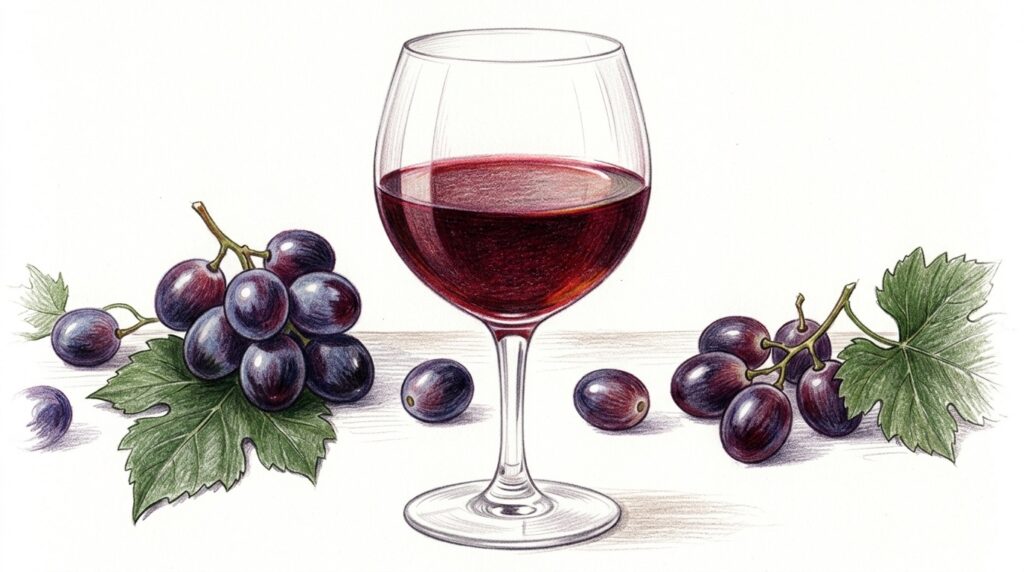
If you’ve got gout, the safest alcohol choice is no alcohol.
That’s the textbook answer.
We don’t live in textbooks.
Most people want to know: can I still have a glass of wine?
The honest answer is yes, probably.
Gout and wine have a more forgiving relationship than gout and beer.
Wine is the least problematic alcohol when it comes to gout.
Here’s why, and how to be smart about it.
Why Wine Is Better Than Beer
Beer is the worst offender by a significant margin.
Beer contains purines (the compounds your body converts to uric acid) and the alcohol itself blocks your kidneys from flushing uric acid out.
Wine is very low in purines.
Almost negligible.
So you’re only dealing with one problem instead of two.
The alcohol still has some effect on uric acid excretion, but it’s far less severe than what beer does.
Spirits sit somewhere in between.
They’re low in purines like wine, but people tend to drink them in ways that cause more dehydration.
Mixers can add sugar, which is another gout trigger.
A well-known study published in The Lancet found that beer and spirits were strongly associated with elevated uric acid levels, while moderate wine consumption showed no significant association.
That’s meaningful.
Red Wine vs White Wine
In terms of their effect on gout risk, red and white wine are very similar.
Both are low in purines.
Both contain alcohol, which has the same metabolic impact regardless of colour.
Red wine gets a slight edge in antioxidant content.
It contains resveratrol and other polyphenols that have anti-inflammatory properties.
You’re not going to drink enough red wine to get a therapeutic dose of resveratrol without causing other problems.
If you prefer white wine, drink white wine.
The difference is marginal.
How Much Is Actually OK?
The research suggests that one to two glasses of wine per day (around 150ml per glass) does not significantly increase gout risk for most people.
“Moderate” means moderate.
Three or four glasses tips the balance.
At that point, the alcohol load starts impairing your kidneys’ ability to clear uric acid.
Practical framework:
- One glass with dinner: Very low risk for most people.
- Two glasses: Still within the moderate range. Pay attention to how your body responds.
- Three or more: You’re in territory where the alcohol itself becomes a significant gout trigger.
The Hydration Factor
Alcohol is a diuretic.
It makes you urinate more, which means you lose water.
Dehydration concentrates uric acid in your blood and reduces your kidneys’ ability to excrete it.
Every glass of wine should come with a glass of water.
If you’re at a barbie or out with mates, alternate. Wine, water, wine, water.
It makes a genuine difference.
What About Sugary Wines?
Sweet wines, dessert wines, and cheap wines with added sugar are worse for gout than dry wines.
Fructose directly increases uric acid production through a separate metabolic pathway.
Stick with dry wines.
A good Barossa Shiraz or a Margaret River Chardonnay are both solid choices.
Dry, Australian, and low in residual sugar.
The Bigger Picture
Wine doesn’t exist in isolation.
What matters is your overall pattern.
If you’re drinking wine alongside a meal that’s high in purines, the combined effect is worse.
If you’re having a glass of wine with a low-purine dinner and drinking plenty of water, you’re in a much better position.
Your body’s ability to handle uric acid also depends on hydration, kidney function, weight, and genetics.
Pay attention to your own experience.
Practical Tips for Wine Drinkers Managing Gout
- Choose dry wines. Red or white, doesn’t matter much. Avoid sweet varieties.
- Stick to one or two glasses. This is where the research says gout risk stays low.
- Hydrate alongside. One glass of water per glass of wine, minimum.
- Don’t combine with high-purine foods. Save the wine for meals that are already gout-friendly.
- Avoid binge sessions. Five glasses on Saturday is worse than one glass each night across the week. Binge drinking is one of the most common gout attack triggers.
- Support your body. A good supplement routine can help your body manage uric acid more effectively, giving you a bit more flexibility.
The Bottom Line
Wine is the least bad alcohol for gout.
The research is fairly clear on that.
Moderate consumption, one to two glasses, doesn’t appear to significantly raise gout risk for most people.
Be honest with yourself about how much you’re drinking.
Stay hydrated. Choose dry wines. Make sure the rest of your diet and lifestyle are working in your favour.
URICAH has 14 clearly labelled natural ingredients to support healthy uric acid levels. No proprietary blends. 90-day money-back guarantee. 2,200+ reviews. Free shipping across Australia.
This article is for informational purposes only and is not intended as medical advice. Consult your healthcare provider before making changes to your health routine.

URICAH! Uric Acid Support
4.85 / 5
read 2,290 customer reviews
$39 AUDTHIS IS YOUR URICAH MOMENT
Our 14 potent, natural ingredients support the body in lowering uric acid levels, alleviating the excruciating pain and discomfort caused by gout.
URICAH™ features powerful ingredients used over thousands of years to fight gout such as Tart Cherry, Celery Seed and Chanca Piedra.
Get back on your feet and live pain free with URICAH™.
LEARN MORE